What Causes Battery Corrosion?
Battery corrosion occurs for different reasons, such as mixing battery types. Don’t mix battery types, doing this will void your warranty. 1. Low power batteries will drain high power batteries; high power batteries will try to push more energy to the lower power batteries. This causes them to heat up, worst case scenario is it will smoke and blow up. 2. Carbon-zinc, alkaline, lithium, silver-oxide and the other battery chemistry types don’t get along. Using batteries of different chemistries to power a product can cause damage to your device from electrolyte leakage and over-discharge of the lower capacity batteries. Basically, it makes a mess and eats the battery contacts, potentially ruining your product.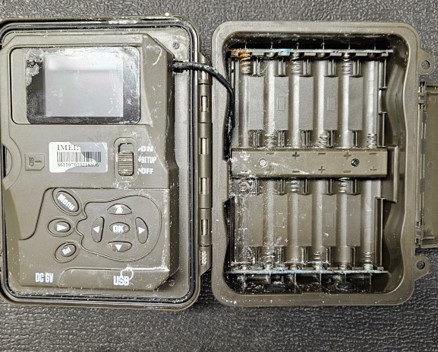
Why Mixing Battery Types Can Damage Your Devices
Lithium, alkaline and ni-cad batteries perform differently because they have different battery chemistry. Even alkaline batteries of different brands have different characteristics. Putting them together can cause them to rupture.
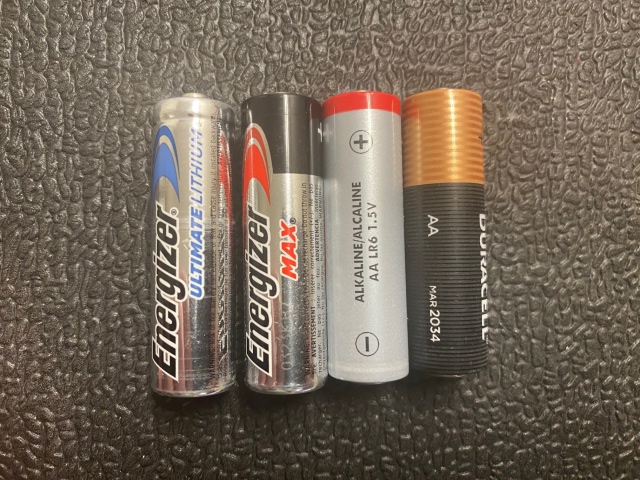
Don’t mix battery types
Every alkaline battery has a liquid electrolyte that breaks down over time. Breakdown leads to the release of hydrogen gas. Over an alkaline battery’s normal life, what we call ‘off-gassing’ isn’t a problem. But if an alkaline battery sits too long, the pressure inside can eventually rupture the case, causing it to leak corrosion. This leakage can spread to other components within the camera. Corrosion damage isn’t covered under warranty! Learn more about battery corrosion and battery chemistry from Battery University.
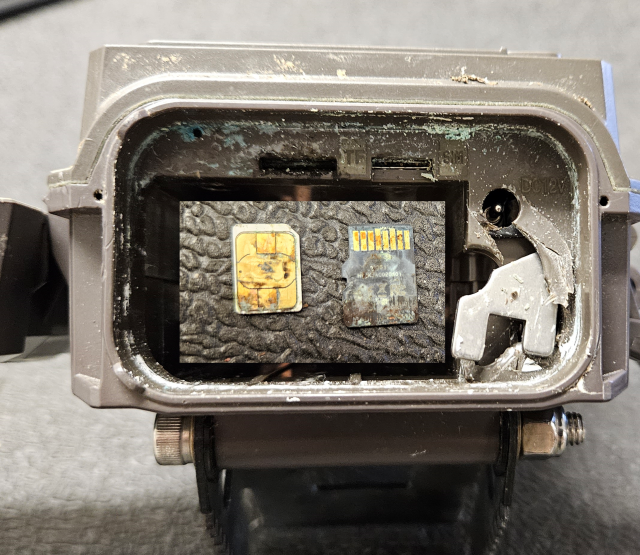 Corrosion damage
Battery Maintenance Tips to Extend Battery Life and Prevent Corrosion
Preventing battery corrosion starts long before you install a fresh set of batteries. Developing a few simple maintenance habits can drastically reduce equipment downtime, and help protect your investment in trail cameras, gate controllers and remote monitoring systems.
Before installing new batteries, inspect the battery compartment for dirt, moisture or signs of previous corrosion. Even a small amount of residue can interfere with electrical contact and reduce your device’s performance. If you notice white, green or blue deposits on the battery contacts, clean them before installing new batteries.
Temperature also plays a significant role in battery performance. Extreme heat accelerates the breakdown of battery chemistry, while prolonged freezing temperatures can temporarily reduce battery capacity. Whenever possible, store spare batteries in a cool, dry place and avoid leaving unused equipment sitting in direct sunlight or inside a hot vehicle for extended periods. Proper storage helps maximize battery life and reduces the likelihood of leakage.
Finally, make battery inspections part of your regular equipment maintenance routine. Checking your cameras, power supplies and battery compartments every few weeks allows you to identify swelling, corrosion or declining battery performance before it causes equipment failure. Replacing an aging set of batteries is far less expensive than replacing an entire camera damages by corrosion.
A few minutes of preventative maintenance can save hours of troubleshooting in the field and help ensure your equipment is ready when activity begins.
Mixing battery types can result in battery leakage and sub-optimal device performance. For best results, replace all batteries with the same brand, chemistry, voltage, and size, when the device performance becomes unsatisfactory. Consider using our recommended solar power supply or battery box instead of AA batteries. Our solar power supply and battery box saves fuel, time and labor allowing 24 hour surveillance without wasting daily travel time and expenses to multiple bait sites without needing to pay for expensive Lithium AA batteries every month. A solar power supply or battery box will pay for itself in 3 months instead of using AA batteries.