Can You Eat Wild Pig? A Complete Guide to Feral Swine Meat
The short answer: yes, you can eat wild pig—and it can be excellent table fare. But like most things involving feral swine, the details matter.
After thousands of feral swine captures and years of working with landowners across the country, we have seen firsthand how age, diet, and handling affect wild pig quality.
Flavor, texture, and overall quality depend on several key factors, from diet to preparation. If you understand what influences wild pork quality, you can turn feral hogs into a highly desirable protein source.
Learn how JAGER PRO® landowners utilize harvested feral hogs here.
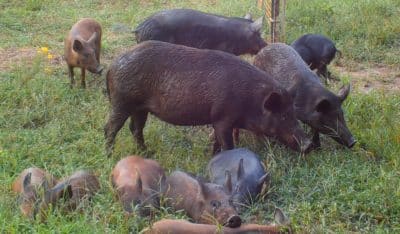
What Does Wild Pig Taste Like?
Not all wild pigs taste the same. In fact, feral swine flavor varies significantly based on their environment and behavior.
- Diet is the biggest driver of taste.
Feral pigs feeding on agricultural crops like corn, peanuts, and acorns typically produce milder, better-tasting meat. In contrast, pigs eating grubs, roots, carrion, or fish often develop a stronger, less desirable flavor. - Activity level impacts texture.
Unlike domestic pigs, feral swine often travel several miles a day. This makes their meat leaner and sometimes tougher, but also more nutrient-dense. - Size and age matter.
Smaller pigs (generally under 150–200 pounds) tend to provide the best eating experience. Large, older boars can be significantly tougher with a more intense flavor.
Why Some Feral Swine Tastes “Gamey”
One of the most common questions is why feral pig sometimes has a “gamey” taste.
The answer comes down to hormones—specifically testosterone.
Large, intact males (boars) can develop what’s known as “boar taint,” a strong flavor caused by naturally occurring compounds linked to testosterone. This isn’t unique to pigs—it’s found across many large male mammals, including deer, elk, cattle, and sheep.
That’s why in commercial agriculture:
- Bulls (cattle)
- Boars (pigs)
- Rams (sheep)
are typically castrated before processing to improve meat quality.
For hunters and land managers dealing with feral swine, this means:
- Sows and younger pigs = best flavor
- Large boars = stronger taste, often better suited for grinding or sausage
Is It Safe to Eat wild pig?
Yes—when handled and cooked properly, wild pork is safe to eat. However, there are important considerations.
Feral pigs can carry diseases such as:
- Swine brucellosis (learn more about it here)
- Pseudorabies
Because of this, the U.S. Department of Agriculture does not allow feral pigs to be directly donated to food banks through standard channels.
That said, these risks are manageable with proper practices:
Safe Handling Tips
- Wear gloves when field dressing
- Avoid contact with blood and raw tissue
- Keep meat clean and cool as quickly as possible
Cooking Requirements
- Cook wild pork to an internal temperature of 165°F
- Proper cooking eliminates disease risk and ensures safety
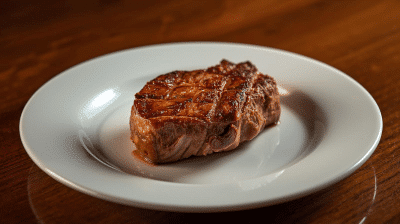
How to Get the Best Results from Wild Pig
If you want feral swine to taste as good as possible, execution matters just as much as sourcing.
- Field Care Is Critical
The faster the animal is recovered, cleaned, and cooled, the better the meat quality. Heat is your enemy—especially in southern climates.
- Choose the Right Cuts
- Backstraps and hams: best for whole cuts
- Shoulders and trim: ideal for sausage or ground pork
- Cook for the Meat You Have
Because feral swine are leaner:
- Use low-and-slow cooking methods for tougher cuts
- Add fat when grinding for better flavor and texture
- Marinating can help tenderize and enhance taste
- Preparation Makes the Difference
At the end of the day, any meal is only as good as the person preparing it. Proper seasoning, cooking method, and attention to detail will make or break your final result.
A Sustainable Protein Source
Beyond taste, feral swine offer another major advantage: they’re an abundant, renewable resource. With populations exploding across the United States, harvesting wild pigs not only provides food—it also plays a role in land and wildlife management.
Many professional teams and landowners:
- Process pigs for personal consumption
- Share meat locally with families and communities
- Utilize harvests as part of responsible population control
Final Answer: Can You Eat Wild Pig?
Absolutely. Feral swine can provide high-quality, flavorful meat when you:
- Select the right animals
- Handle them properly
- Cook them thoroughly
The key is understanding the variables. A corn-fed young hog prepared correctly can rival domestic pork, while a large boar requires a different approach to reach its full potential.
For those managing land or dealing with feral swine populations, it’s a practical win: effective control paired with a usable, valuable food source.