
Battery Corrosion: Why You Should Never Mix Battery Types
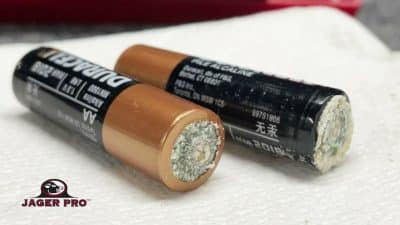
Battery corrosion is one of the most common—and avoidable—issues that can damage your equipment in the field. Whether you’re running trail cameras or live-stream systems, improper battery use can lead to performance issues, costly repairs, and even complete device failure. The biggest mistake? Mixing battery types.
To protect your investment and keep your system running at full capacity, it’s critical to understand how it happens and how to prevent it.
Battery Corrosion Caused by Mixing Battery Types
Mixing battery types is a fast track to battery corrosion and internal damage. When different batteries are used together—especially those with varying power levels or chemistries—they don’t discharge evenly.
Low-power batteries will drain faster, while high-power batteries attempt to compensate by pushing more energy into the weaker ones. This imbalance creates heat, which increases internal pressure. In worst-case scenarios, batteries can swell, leak, smoke, or even rupture.
That leaking fluid is highly corrosive. Once it escapes, it attacks battery contacts and internal components, leading to permanent damage. This type of battery corrosion is preventable—and it’s not covered under warranty.
Battery Corrosion and Different Battery Chemistries
Not all batteries are built the same. In fact, different battery chemistries react very differently under load. Mixing them is one of the leading causes of battery corrosion in field equipment.
Common battery types include:
- Carbon-zinc
- Alkaline
- Lithium
- Nickel-cadmium (Ni-Cd)
- Silver-oxide
Each of these chemistries has unique discharge rates, voltage outputs, and internal resistance. When combined, they create instability inside your device. Lower-capacity batteries can become over-discharged, while higher-capacity batteries may overcompensate—resulting in leakage and corrosion.
Even mixing different brands of alkaline batteries can cause problems. Slight differences in manufacturing and performance characteristics can lead to uneven discharge cycles, increasing the risk of rupture and battery corrosion.
What Causes Battery Corrosion in Alkaline Batteries?
Alkaline batteries are widely used, but they are also prone to battery corrosion over time. Inside every alkaline battery is a liquid electrolyte. As the battery ages, this electrolyte begins to break down.
During this process, hydrogen gas is released—this is known as “off-gassing.” Under normal conditions, this isn’t an issue. However, if batteries are left in a device too long or exposed to fluctuating temperatures, internal pressure builds up.
Eventually, that pressure can rupture the battery casing. When that happens, the electrolyte leaks out and reacts with metal components, creating visible battery corrosion. This can spread quickly, damaging contacts, wiring, and circuit boards inside your device.
Battery Corrosion Risks: Damage, Downtime, and Cost
Corrosion doesn’t just affect performance—it impacts your bottom line. Corroded battery compartments can interrupt power flow, causing cameras to go offline at the worst possible time.
In the field, that means:
- Missed activity and lost data
- Increased labor checking non-functioning equipment
- Additional fuel and time costs
- Premature equipment replacement
And again, corrosion damage caused by improper battery use is not covered under warranty.
How to Prevent Battery Corrosion in the Field
Best Practices to Avoid Battery Corrosion
Preventing corrosion starts with consistent battery management. Follow these guidelines to keep your equipment operating reliably:
- Always use the same brand, chemistry, voltage, and size of batteries
- Replace all batteries at the same time—never mix old and new
- Remove batteries from devices if they will sit unused for extended periods
- Store batteries in a cool, dry environment
- Regularly inspect battery compartments for early signs of corrosion
When device performance drops, don’t try to stretch battery life by mixing replacements. That shortcut often leads directly to corrosion and failure.
Consider Upgrading Your Setup
If you’re relying on AA batteries in the field, you’re not just risking corrosion—you’re also increasing operational costs.
A better solution is upgrading to a dedicated external power system, such as our battery box or solar power supply.
Our battery box is designed to eliminate the common issues associated with AA batteries, including corrosion and inconsistent performance. It provides a stable, long-term power source that reduces the need for frequent battery changes. The all-in-one design of the JAGER PRO® solar power assembly streamlines trapping operations by eliminating the need for multiple batteries and constant recharging.
Key advantages include:
- Continuous 24-hour surveillance without interruption
- Reduced travel time to bait sites
- Lower fuel and labor costs
- No need to constantly replace expensive lithium AA batteries
In most cases, a battery box pays for itself in as little as three months compared to ongoing AA battery expenses.
Final Takeaway: Battery Corrosion Is Preventable
Battery corrosion is not just a maintenance issue—it’s a preventable failure point that can cost you time, money, and opportunity in the field.
The solution is simple:
- Don’t mix battery types
- Stick to consistent, high-quality power sources
- Upgrade to a more reliable system when possible
Take control of your power setup, and you’ll eliminate one of the most common causes of equipment failure before it ever starts.